7 Things to Know About Hip Strength And Knee Movement Basics
A clear, practical guide to help you understand the topic and build a realistic everyday routine.
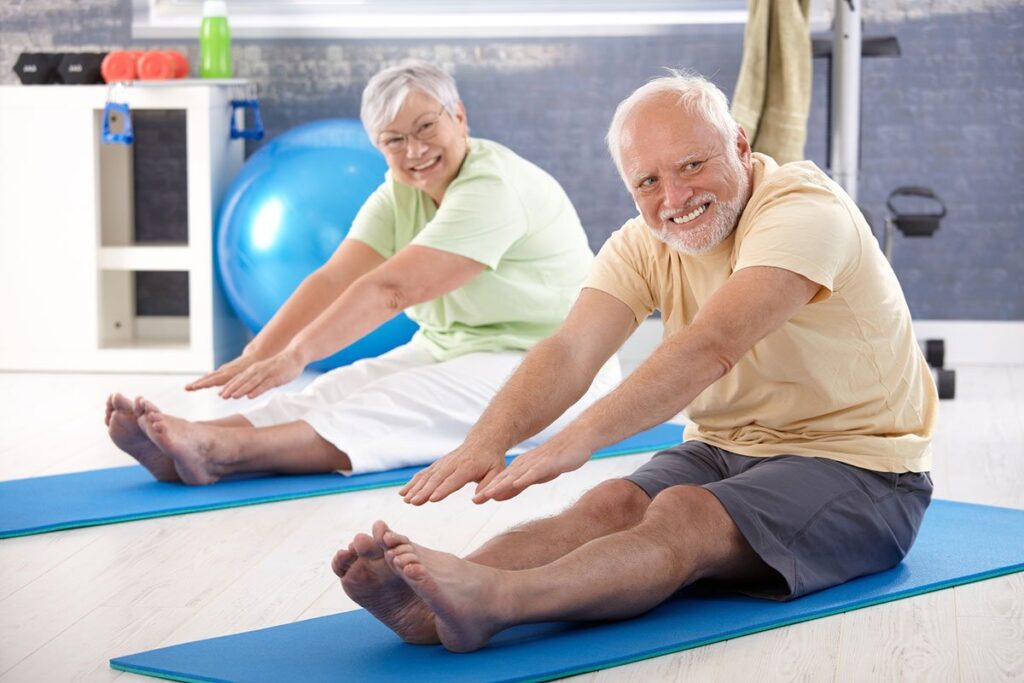
The most useful health advice is usually the advice you can repeat. This article looks at Hip Strength and Knee Movement Basics with a focus on realistic everyday steps, common questions, and important safety points.
Why this topic matters
7 Things to Know About Hip Strength And Knee Movement Basics can be useful to think about because everyday routines often shape how easy it is to stay consistent. The best starting point is usually one change that fits your schedule and does not depend on perfection.
Start with a simple baseline
Before changing several things at once, notice your current pattern for a few days. Think about timing, comfort, energy, symptoms, food choices, movement, sleep, or other details that are relevant to this topic. A simple baseline makes it easier to see what actually changed.
- Choose one specific habit to work on first.
- Make the action easy enough to repeat on busy days.
- Track only the information that is genuinely useful.
- Adjust gradually instead of starting over after one difficult day.
Make the routine easier to follow
Environment matters. Put useful items where you can see them, prepare food or equipment ahead of time, attach the new habit to something you already do, and choose a realistic time of day. These small design choices can reduce the amount of motivation you need.
Common mistakes to avoid
Be cautious with “instant,” “guaranteed,” or “one weird trick” claims. Health outcomes vary by person, and some symptoms require professional care. Also avoid changing medications or delaying recommended treatment because of an online tip or supplement.
A simple weekly check-in
Once a week, ask: What felt easy? What was difficult? Did anything improve, worsen, or stay the same? Keep what is useful and simplify what is not. This approach helps turn general health information into a routine that fits real life.
Questions people often ask
How quickly should I expect results?
There is no universal timeline. It depends on the goal, the habit, your health history, and whether the issue needs medical or dental treatment. Avoid judging progress from a single day.
Do I need a supplement?
Not necessarily. Many wellness goals start with routine, nutrition, movement, sleep, hygiene, and appropriate professional care. If you use supplements, check for medication interactions and discuss them with a clinician when appropriate.
Bottom line
Use Hip Strength and Knee Movement Basics as one part of a broader, realistic wellness routine. Keep the plan simple, evidence-aware, and easy to repeat.
Optional wellness resource
Want to learn more? Review this third-party resource and decide whether it fits your needs.
Learn More →Affiliate disclosure: HealthSource may earn a commission from qualifying purchases, at no extra cost to you.